

Creating Garden Rooms: Why Dividing Space Makes Gardens Feel Bigger
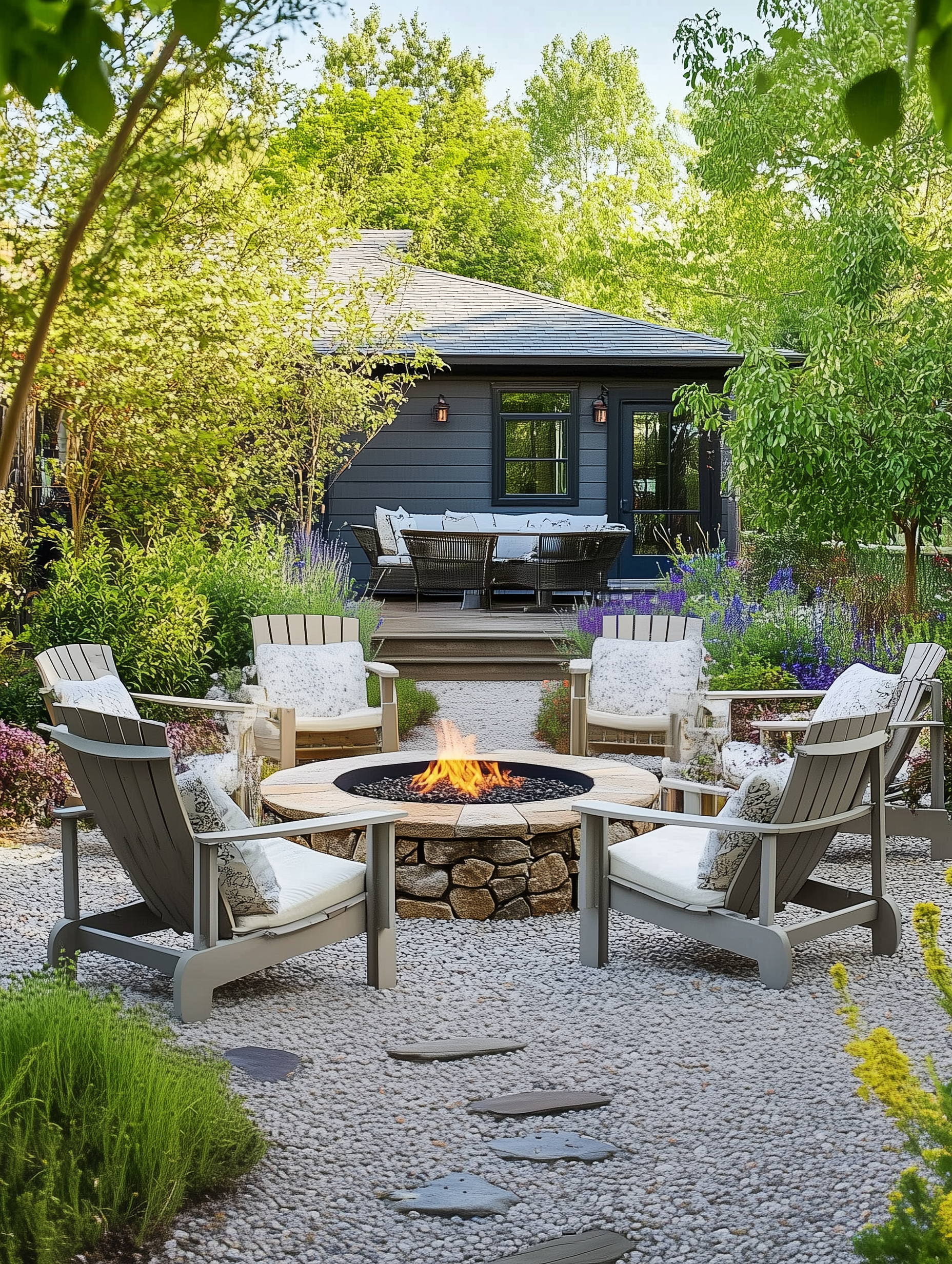
It’s a common assumption:
If you want a garden to feel bigger, you should keep it open.
But in many cases, the opposite is true.
Gardens often feel larger—and more inviting—when they are gently divided into smaller spaces.
What Is a Garden Room?
A garden room is a defined area within your landscape that has its own feeling or purpose.
It doesn’t require walls.
It might be created with:
plants
pathways
changes in level
subtle boundaries
Each space feels distinct, yet connected.
Why Dividing Space Works
When a garden is completely open, the eye takes it in all at once.
There’s nothing to explore.
But when a garden is divided into spaces:
the eye moves from one area to another
curiosity is created
the experience unfolds gradually
This makes the garden feel deeper and more dynamic.
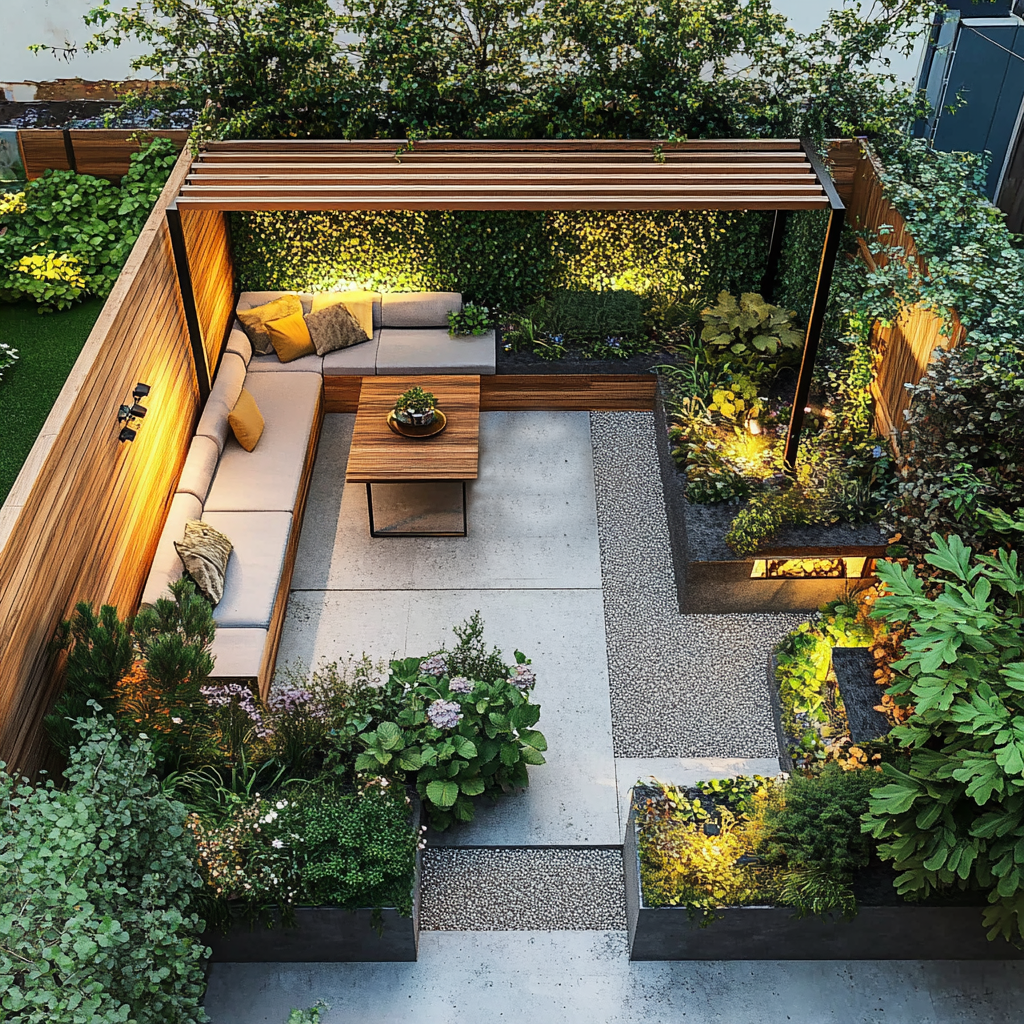
Maximize a small space by creating different garden rooms.
How Designers Create Garden Rooms
1. Using Plants as Boundaries
Shrubs, grasses, and layered planting can create soft divisions between spaces.
They don’t block the view completely—they simply suggest a transition.
2. Creating Transitions
A path, an arch, or even a change in material can signal:
“You’re entering a new space.”
These transitions make the garden feel intentional.
3. Giving Each Space a Purpose
Each area should have a reason to exist.
A seating area
A quiet retreat
A place to gather
Purpose gives meaning to each space.
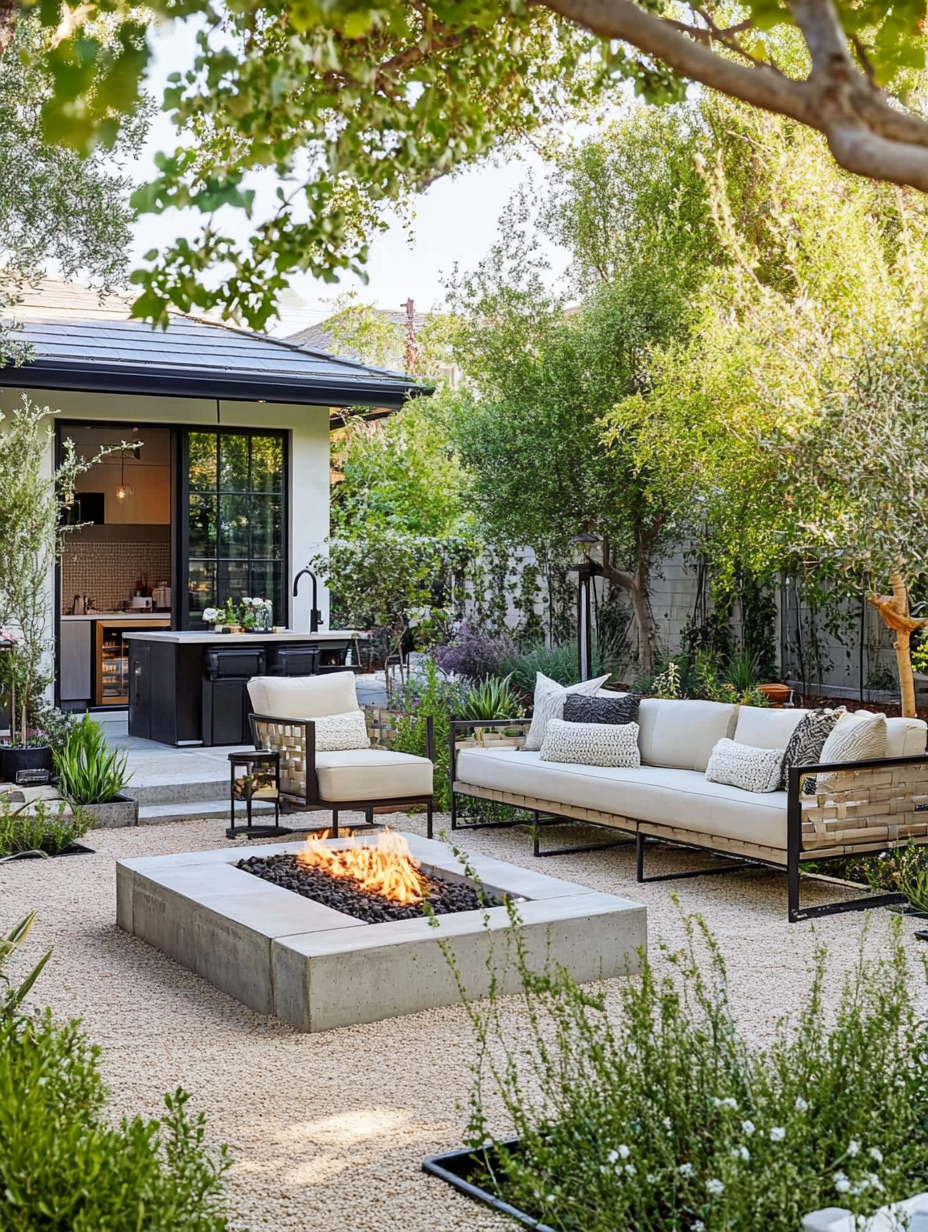
Transition from stone patio to gravel area to define different outdoor seating areas.
A Garden That Unfolds
The most memorable gardens reveal themselves slowly.
One space leads to another.
Each area offers something slightly different.
And the whole experience feels richer because of it.
Final Thought
A garden doesn’t need to be larger to feel more expansive.
It simply needs to be thoughtfully divided.