

The Secret to Garden Flow: Designing Paths That Feel Natural

Have you ever walked through a garden that felt easy to move through—without thinking about it?
You didn’t stop to decide where to go.
You simply followed the space.
That’s not an accident.
It’s flow.
What Is Garden Flow?
Garden flow is the way a space guides movement.
It answers the quiet question:
“Where do I go next?”
When flow is strong, movement feels natural.
When it’s missing, a garden can feel confusing or disconnected.
How Designers Create Flow
Designers rarely rely on signs or instructions.
Instead, they use subtle cues.
1. Paths That Suggest Direction
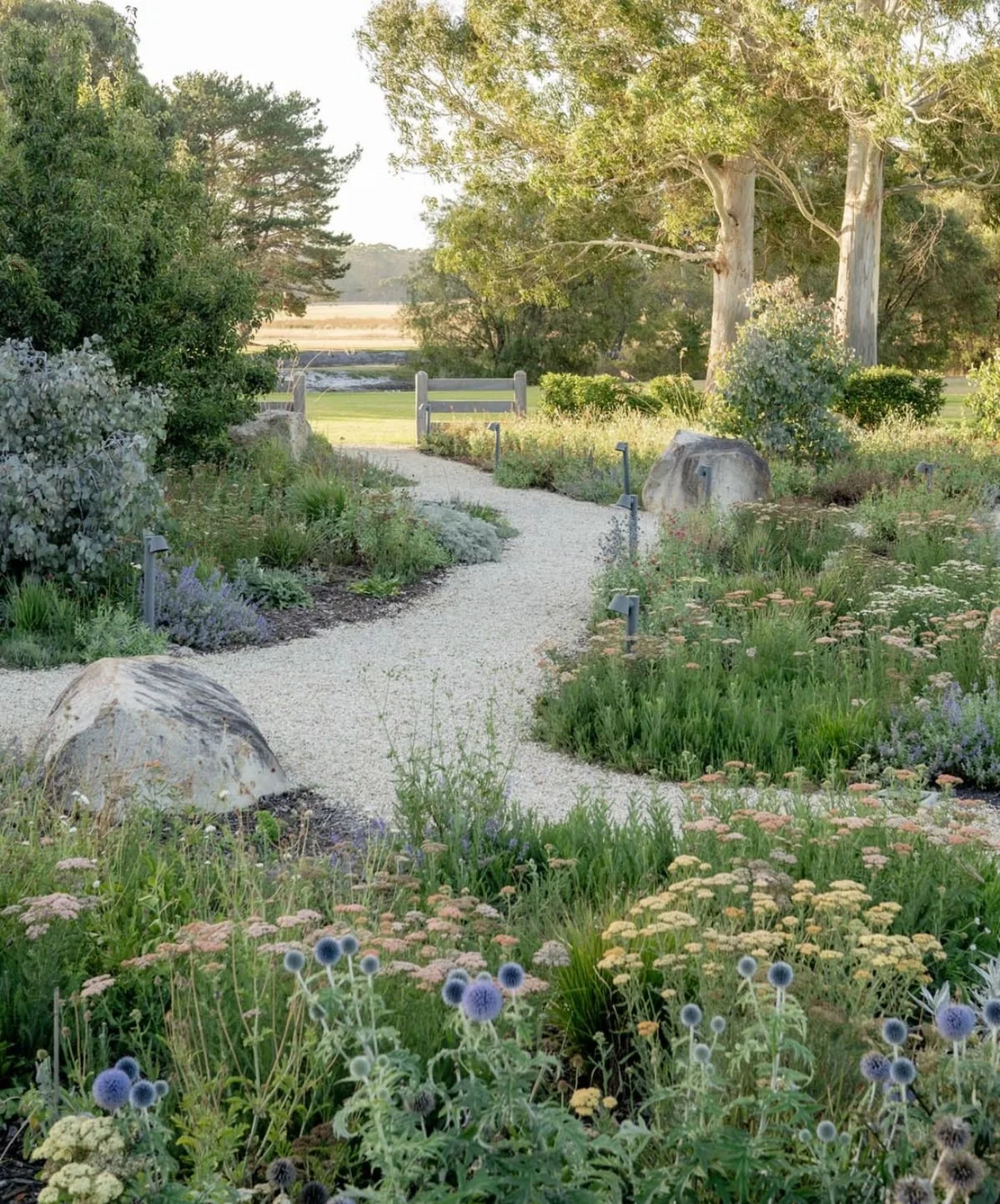
Paths don’t have to be straight or formal.
In fact, the most natural paths often:
curve gently
follow the shape of the land
reveal the space gradually
A curved path invites curiosity.
It suggests there’s something worth discovering ahead.
2. Edges That Guide Movement
Even without a visible path, edges can guide the eye and the body.
These might be:
a line of plants
a shift in material
the edge of a garden bed
These subtle lines help people move through the space without realizing it.
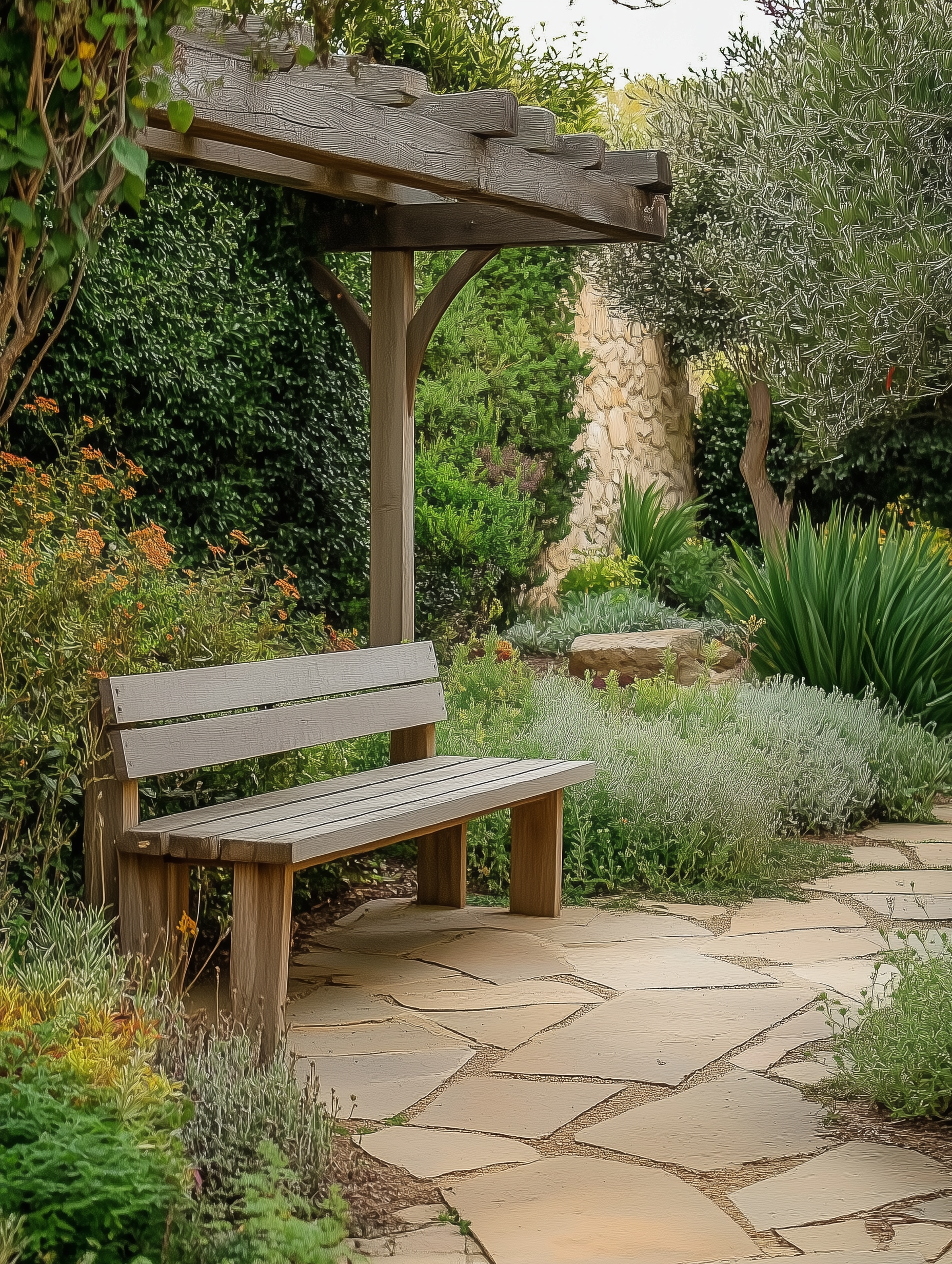
3. Destinations That Pull You Forward
People move toward something.
A bench
A tree
A focal point
When a garden has clear destinations, movement becomes purposeful.
A Simple Way to Improve Flow
Walk your garden and notice:
where movement feels natural
where you hesitate
where paths seem unclear
Even small changes—like defining an edge or creating a focal point—can make movement feel smoother.
Flow Creates Experience
A garden with flow isn’t just seen.
It’s experienced.
And once movement feels natural, the entire space becomes more inviting.