

Healing Plants in the Garden: Designing Spaces That Restore the Soul
Every garden can be beautiful, but not every garden feels healing.
What makes a space restorative isn’t just what’s planted—it’s how those plants support the way we feel when we’re in it.
Before spring arrives in full bloom and the garden fills with tasks, this quieter season offers something different. It invites us to pause and consider how our outdoor spaces can support rest, reflection, and renewal.
And there’s a growing body of research that supports what many of us already sense intuitively:
gardens are good for us.

Why Gardens Feel Healing
Spending time in and around plants has been shown to positively impact both mental and emotional well-being.
Studies have found that gardening is associated with reduced stress, anxiety, and depression, along with increased life satisfaction and overall well-being. PMC
Regular interaction with green spaces has been linked to improved mood, focus, and a greater sense of calm. PMC
Even simple exposure to nature—walking through a garden or sitting among plants—can help lower stress levels and support emotional balance. PMC
One large study found that people who garden regularly report higher levels of wellbeing and lower perceived stress than those who don’t. RHS
These findings simply reinforce what many gardeners already know:
something shifts when we step into a garden.
Plants That Invite Calm and Reflection
Healing in the garden often begins with presence.
Throughout history, certain plants have been associated with healing—not only for their physical uses, but for the way they help create spaces that feel calm, grounded, and restorative.
Here are a few that consistently support that experience:
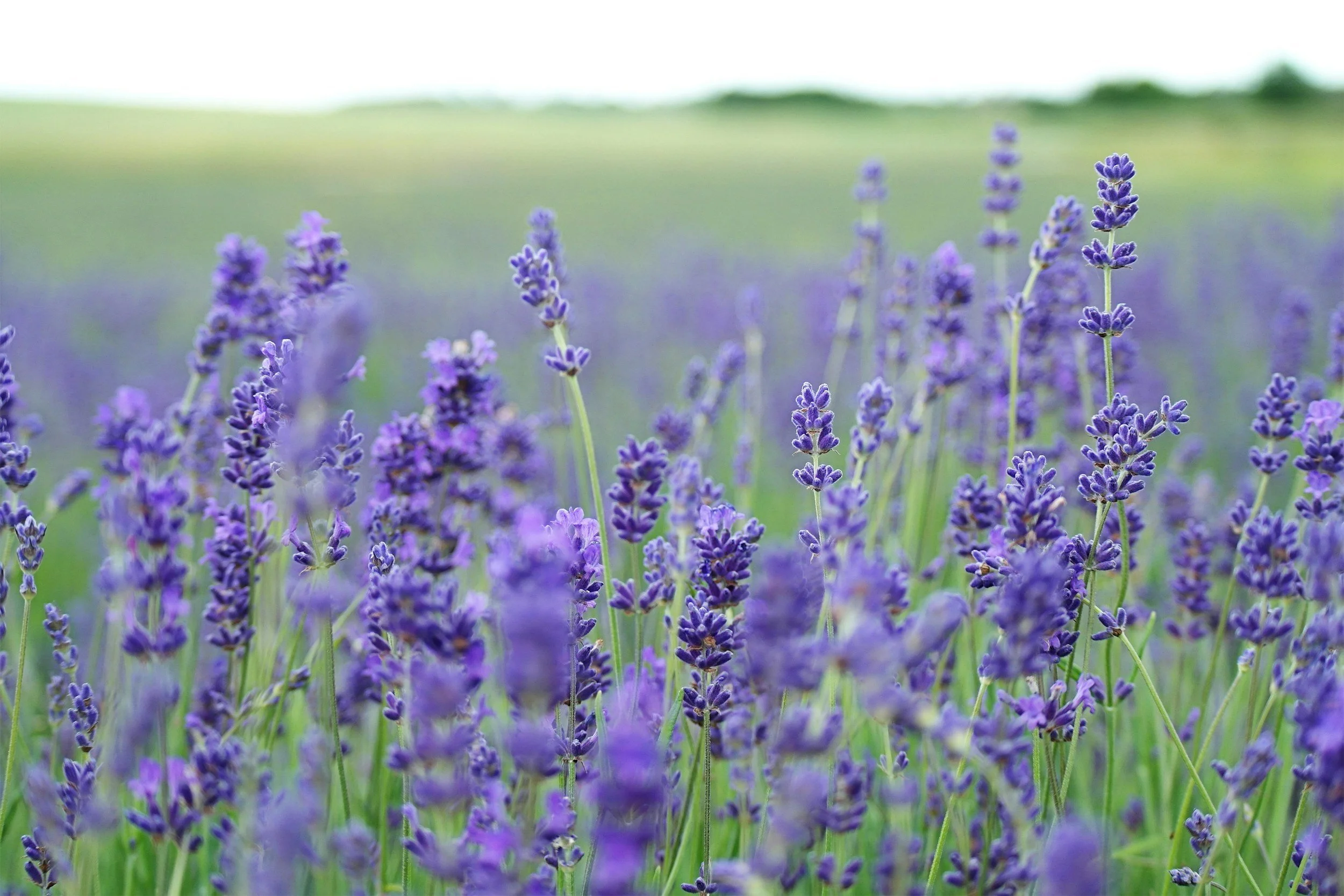
Lavender
Soft color and gentle fragrance create an atmosphere that encourages slow breath and quiet moments.
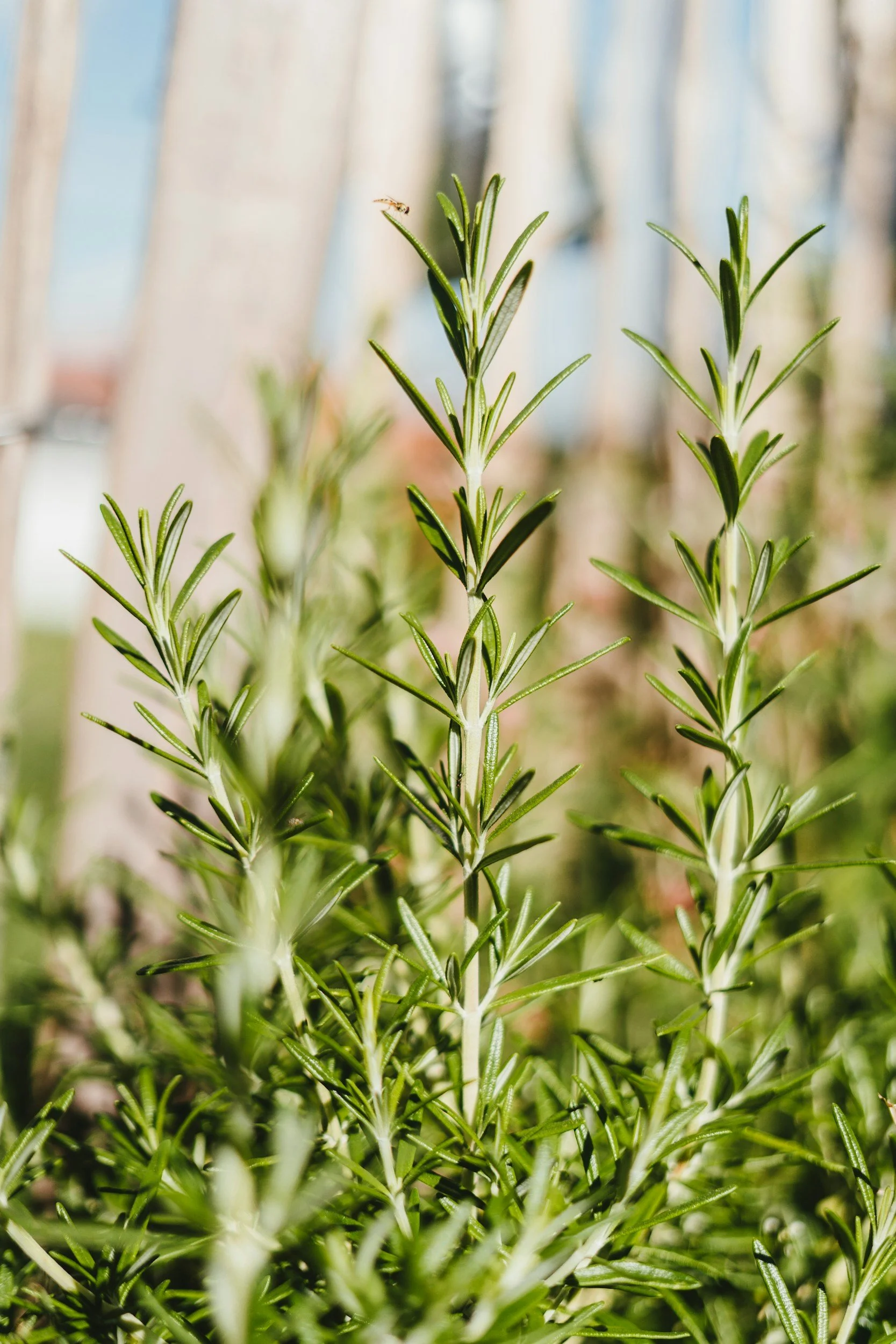
Rosemary
Evergreen and steady, rosemary brings a sense of structure and grounding to a space.
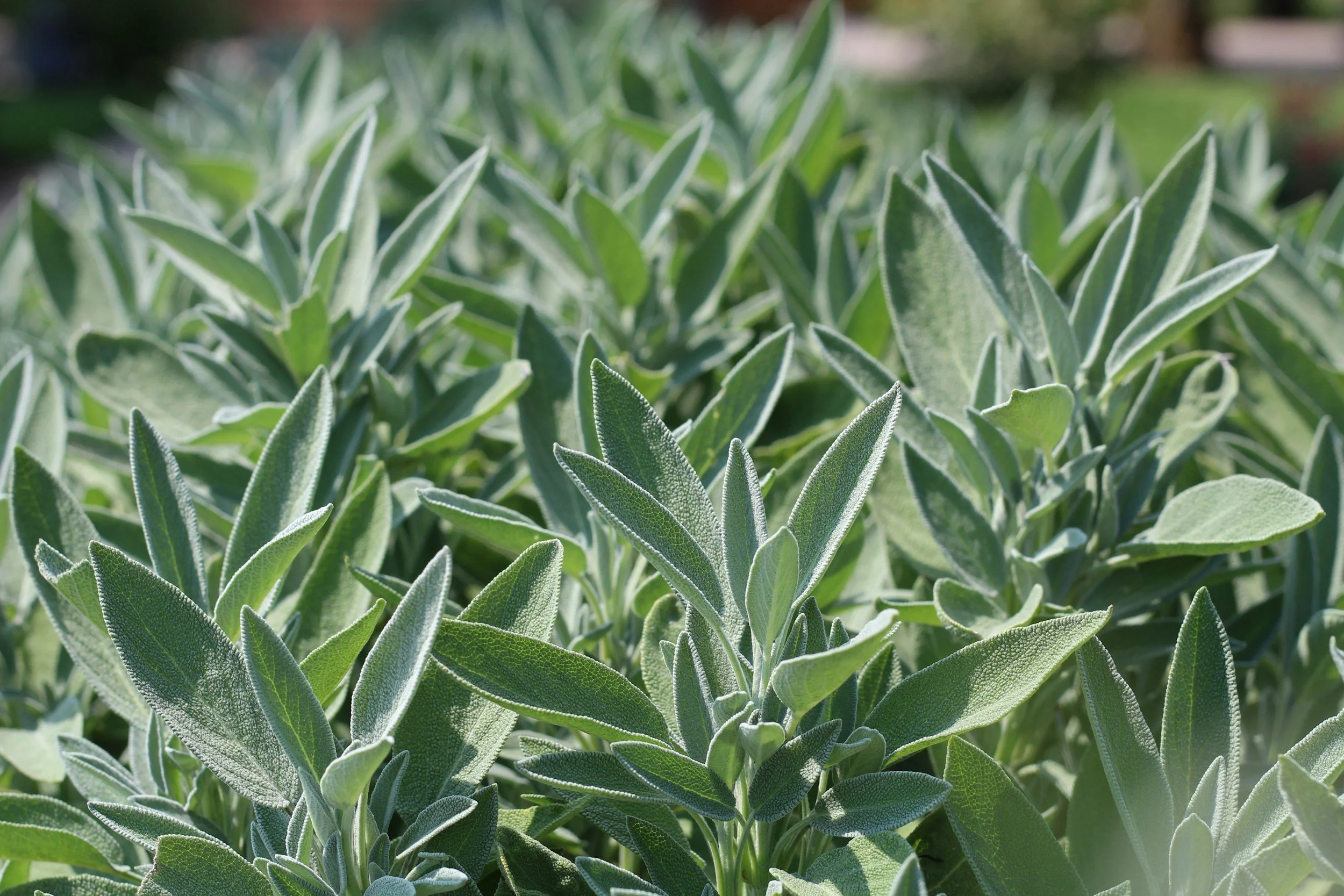
Sage
Muted tones and soft texture calm the visual field and support a feeling of stillness.
Other calming choices
Plants with soft foliage, subtle movement, or gentle scent naturally invite interaction and awareness.
These plants don’t need to demand attention to be powerful.
They create the conditions where rest and reset can happen naturally.

Design for the Senses
The healing effect of a garden isn’t just about what you see—it’s about what you experience.
A thoughtfully designed garden engages the senses in quiet, supportive ways:
Touch: soft foliage that invites connection
Sight: simple palettes that reduce visual noise
Smell: subtle fragrance that appears as you move through the space
Sound: leaves and grasses that respond gently to the wind
Even small interactions—brushing past a plant, kneeling to tend the soil, or pausing along a path—can help the body slow down and the mind settle.
Over time, these moments begin to restore us.
Plants as Part of a Healing Space

A healing garden isn’t defined by plant lists alone. It’s defined by experience and intention.
Plants, thoughtfully placed, become partners in a landscape that supports calm, reflection, and rejuvenation.
Ask yourself:
Where do I naturally pause in my garden?
Where could the space feel quieter or more grounded?
Where would I like to sit and stay a little longer?
A single plant placed near a bench, along a path, or at a threshold can shift the experience of an entire space.
When plants are aligned with how you move through your garden, they begin to support something deeper than design—they support presence.
A Garden That Restores Over Time
Healing in the garden doesn’t happen all at once.
Like roots growing beneath the surface, much of what the garden offers is quiet and gradual. A space designed with care becomes more meaningful over time—season by season, moment by moment.
This is especially true in late winter, when the structure of the garden is visible and the pace is slower. There’s clarity here. Space to think. Room to imagine what’s possible.
Final Thought
There’s something sacred about a garden in its quiet moments. In the stillness, we’re reminded that not everything has to be rushed or forced. Growth happens in its own time, often unseen, yet always unfolding. And when we allow ourselves to slow down within it, we begin to experience that same gentle restoration in our own lives.