

Structured or Wild? How to Know Which Garden Style You’ll Actually Enjoy Living With
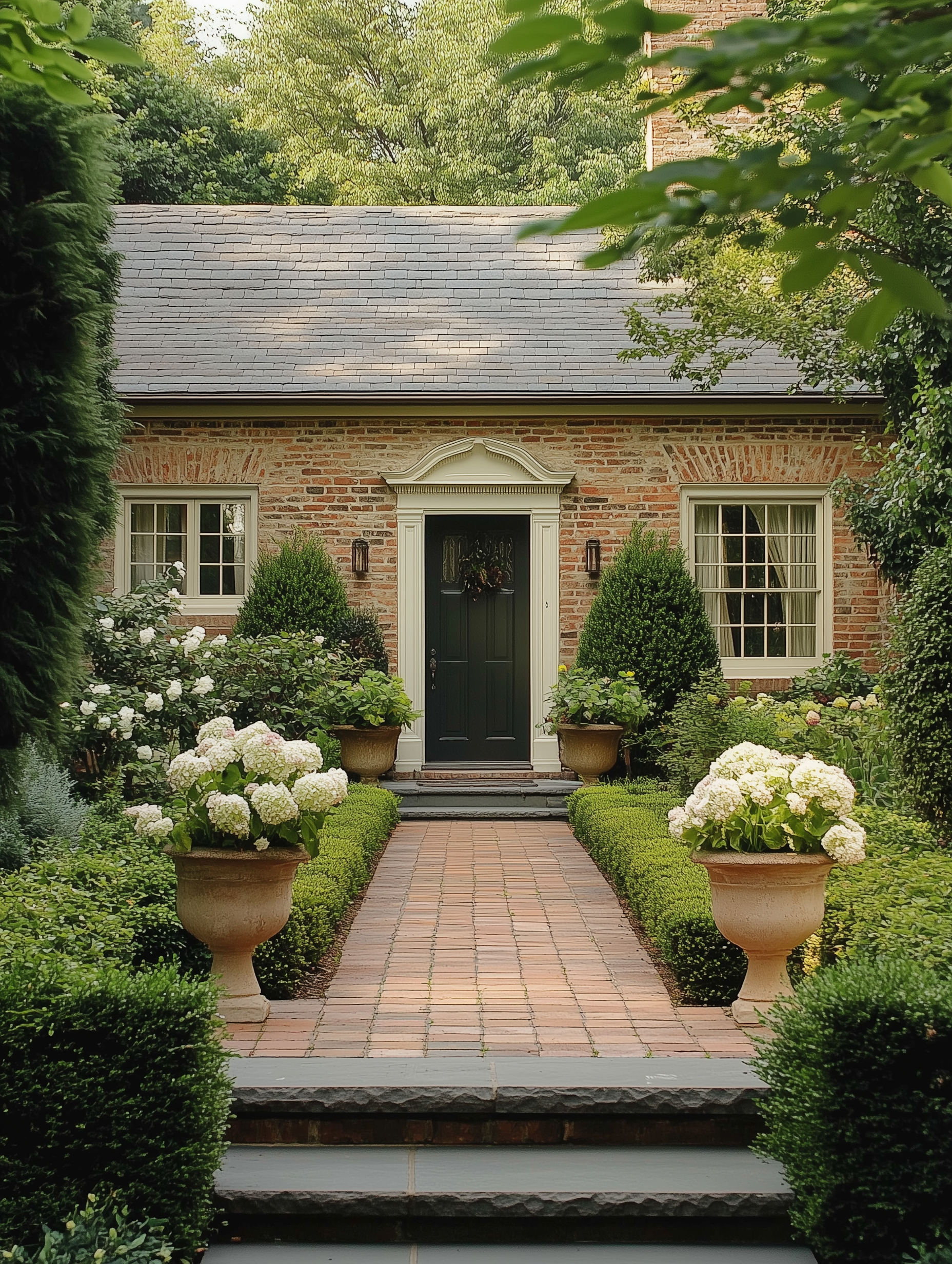
If you’ve ever saved both a perfectly clipped boxwood garden and a loose, flower-filled cottage border on Pinterest—you’re not alone.
Most garden lovers don’t struggle with inspiration.
They struggle with direction.
One image feels calm and polished.
Another feels warm and alive.
And suddenly, you’re wondering which one is “right.”
Here’s the truth most people don’t hear:
👉 The best garden style isn’t about trends or labels.
👉 It’s about how you want to live in the space.
Let’s break it down.
The Real Difference Between Structured and Wild Gardens
At a glance, the difference feels obvious—but it goes deeper than looks.
Structured gardens tend to feel:
Calm and orderly
Predictable and grounded
Easy to visually “read”
You’ll notice:
Clean lines and clear edges
Repetition of shapes or plants
Defined paths and spaces
These gardens often feel like outdoor rooms. They’re comforting because you always know where things belong.

Wild (or naturalistic) gardens tend to feel:
Relaxed and expressive
Lush and immersive
A little surprising
You’ll notice:
Plants overlapping and mingling
Softer edges and informal paths
Seasonal change as part of the beauty
These gardens feel alive. They invite wandering, curiosity, and a sense of escape.
Neither Is Better—But One Might Fit You Better
The mistake many people make is trying to force themselves into a style they admire… instead of one they’ll enjoy maintaining and using.
Ask yourself these questions:
Do I feel calmer in tidy, defined spaces—or inspired by abundance and movement?
Do I enjoy regular upkeep, or do I want the garden to evolve more freely?
Do I like knowing exactly where things go, or discovering them as I walk?
Your answers matter more than any photo you save.
Maintenance Is Part of Style (Even If No One Mentions It)
Here’s something Pinterest doesn’t show you:
Every garden style comes with a maintenance rhythm.
Structured gardens often need regular trimming and editing to stay crisp.
Wild gardens need thoughtful restraint so they don’t become chaotic or overgrown.
Neither is low-effort—just different kinds of effort.
A garden you love looking at but resent caring for won’t feel like a success.
Can You Mix Styles? Yes—But Intentionally

Some of the most beautiful gardens aren’t fully one or the other.
A structured path with looser planting.
A wild border framed by clean edges.
A formal layout softened with natural textures.
The key is contrast with purpose—not accidental mixing.
When structure and freedom are both present, each one makes the other stronger.
A Simple Way to Decide
If you’re stuck choosing, try this:
Picture your garden five years from now.
Are you walking clean paths with defined borders?
Or weaving through plants brushing your legs?
There’s no wrong answer—just an honest one.
That picture is your clue.
Design Isn’t About Getting It “Right”
It’s about creating a space that feels good to return to—again and again.
When your garden matches how you live,
how you rest,
and how you move through the world…
That’s when it stops feeling like a project—and starts feeling like home.
Ready to Go Deeper?
If you want help choosing a style, building a cohesive plan, and understanding why certain gardens work so well, my guidebook can help.
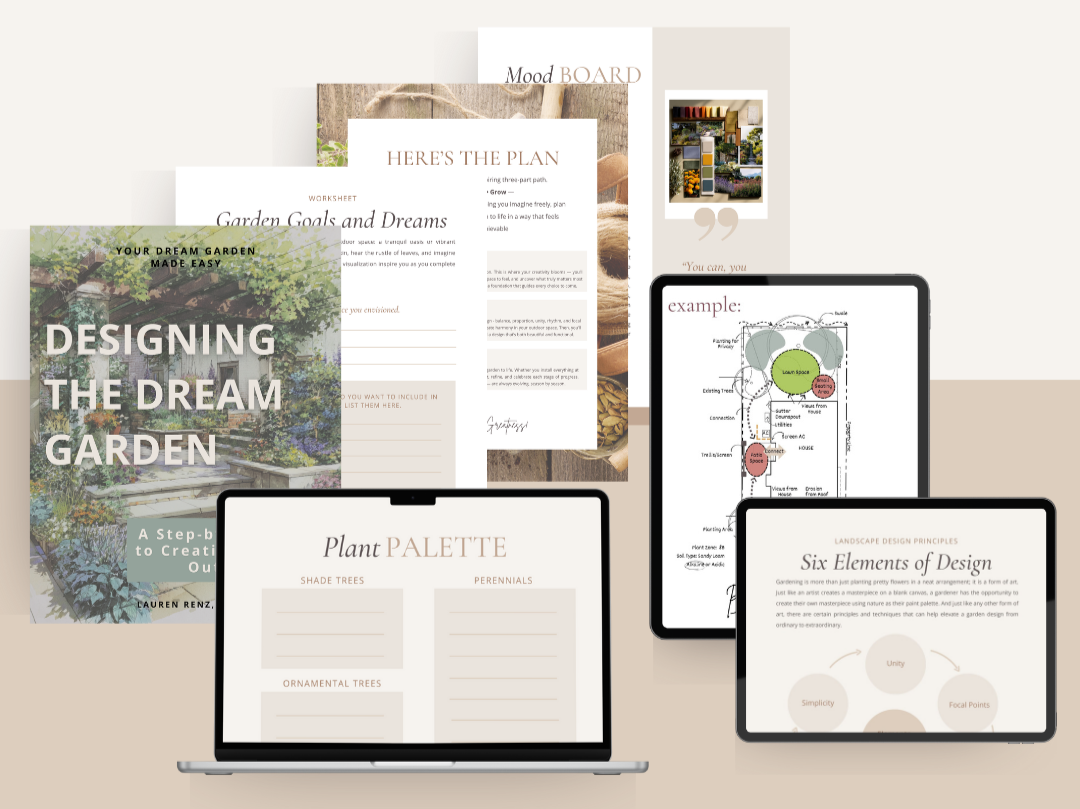
Designing the Dream Garden: A Step-by-Step Guide to Creating Beautiful Outdoor Space
Inside you’ll find:
A breakdown of popular garden styles
Guidance on color palettes and flow
A printable planning template
Beginner-friendly design principles you can actually use
Because the best garden isn’t copied.
It’s considered.