

The Beauty of the Winter Garden: Designing with Structure, Form, and Texture
The winter garden asks us to look differently. Without the distraction of colorful blooms, our eyes are drawn to shape, texture, shadow, and form. The beauty of tree branches is revealed, their forms standing out clearly against the winter sky, seed heads catch frost like sculpture, and evergreens anchor the landscape with calm permanence. Far from empty, the winter garden is refined—intentional—and deeply beautiful.

Designing for winter means embracing structure as the foundation of the garden, not an afterthought. When done well, winter landscapes feel peaceful, balanced, and quietly alive.
Structure Is the Backbone of a Beautiful Garden
In every great garden, structure does the heavy lifting—and winter reveals it fully.
Structure comes from:
Trees and shrubs with strong branching habits
Evergreen hedges and layered backdrops
Hardscape elements like paths, walls, and benches
Without flowers to rely on, these elements define space, guide movement, and create visual rhythm. A well-structured winter garden still feels composed and welcoming, even in its most minimal state.
Design insight: If a garden looks good in winter, it will look exceptional in every other season.
Form & Silhouette: Nature’s Winter Artwork
Winter highlights the artistry of plant form. The upright lines of ornamental grasses, the rounded mass of shrubs, and the elegant branching of deciduous trees become living sculptures.
Plants chosen for strong winter form include:
Multi-stem trees with expressive branching
Architectural shrubs with clean outlines
Ornamental grasses left standing
Snow and frost enhance these shapes, softening edges while emphasizing structure.
Design tip: Think in silhouettes when selecting plants—especially for areas visible from windows during winter months.



Texture Over Color: A Subtle, Layered Palette
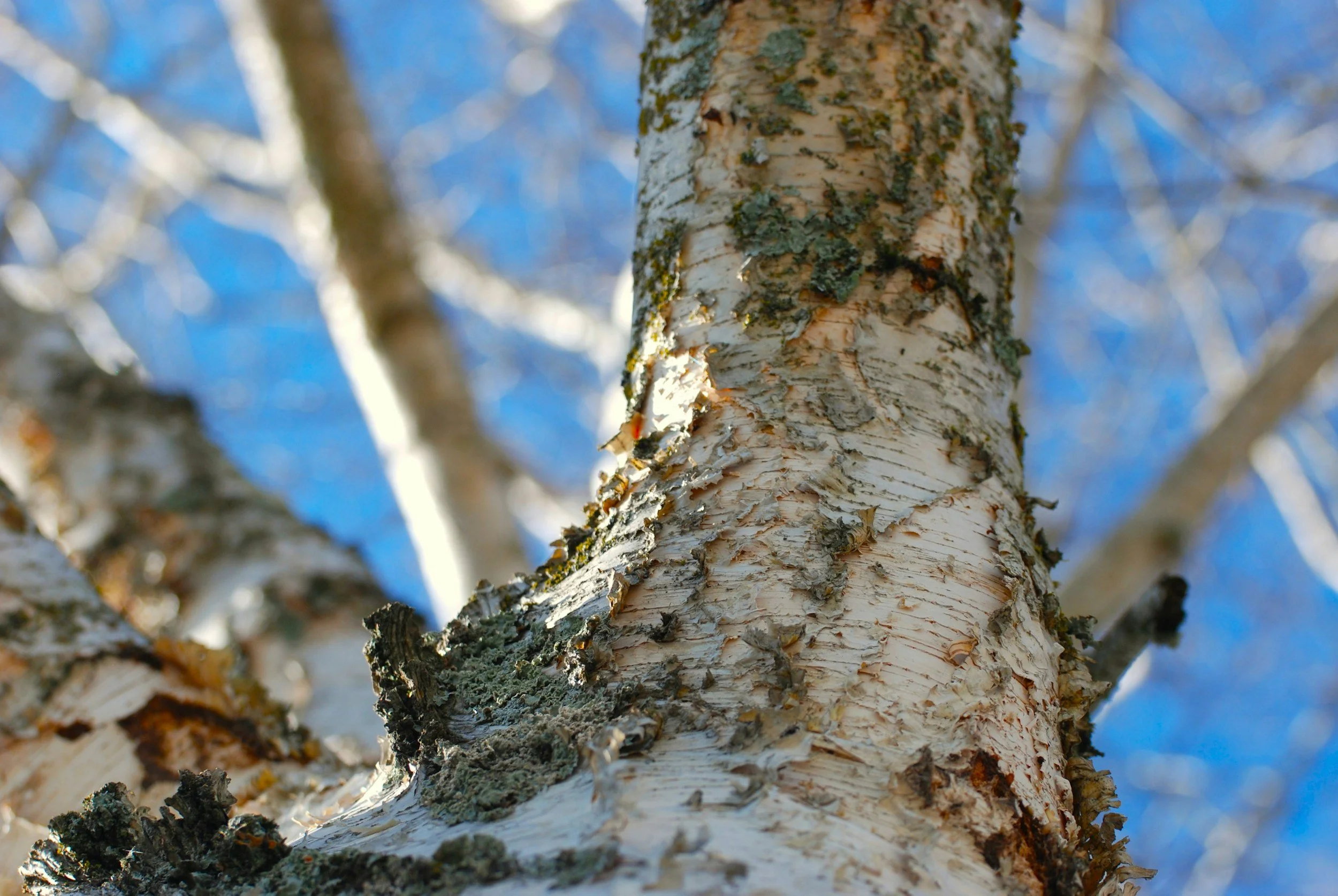
In winter, texture replaces color as the star of the show. Rough bark, glossy evergreen leaves, feathery grasses, and dried seed heads create contrast and depth—even in a muted palette.
Key texture elements to include:
Evergreen needles and broadleaf foliage
Peeling or patterned bark
Seed heads and dried flower forms
These textures catch light, shadow, and frost, creating a garden that changes daily with the weather.
Evergreens: Anchors of the Winter Landscape
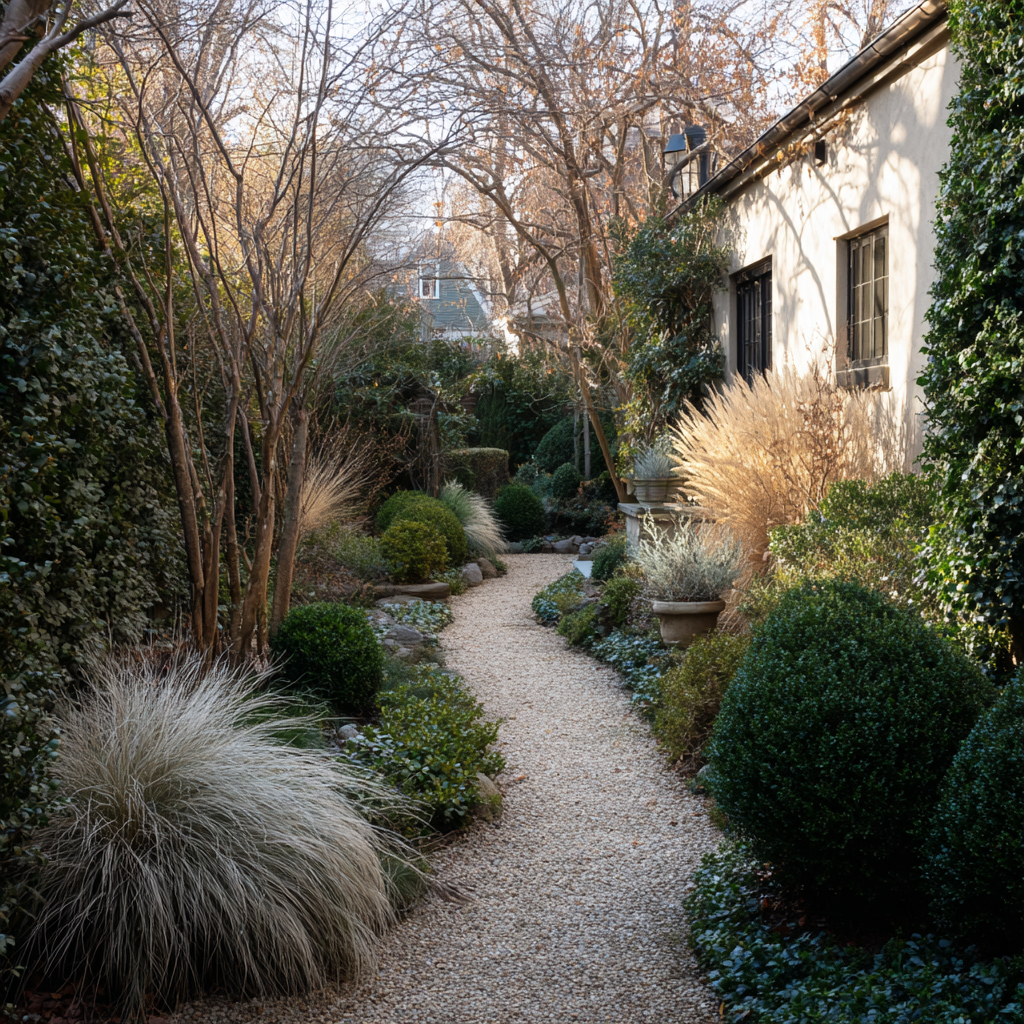
Evergreens provide the steady presence that makes winter gardens feel grounded. They offer structure, privacy, and visual calm while framing more delicate seasonal elements.
Use evergreens to:
Define garden rooms
Create wind protection
Provide year-round backdrops
Layering different evergreen sizes and textures adds richness without overwhelming the space.
Beauty in Restraint: Letting the Garden Rest
There is something deeply restorative about a winter garden that isn’t trying too hard. It reflects rest, balance, and patience—qualities often missing in our fast-paced lives. Just as we are reminded that rest is not wasted in our own lives, the garden continues its quiet work beneath the surface. Roots strengthen, reserves are gathered, and unseen growth prepares the way for the abundance to come.
Winter reminds us that:
Not every season needs to be showy
Simplicity can be powerful
Stillness has its own beauty
A garden designed with winter in mind feels intentional year-round, offering moments of quiet reflection when we need them most.
Designing for All Seasons Starts with Winter
When structure and form guide your garden design, flowers become a bonus—not a requirement. Winter becomes a season to enjoy rather than endure.
If you’re dreaming of a garden that feels peaceful, cohesive, and beautiful even without blooms, start by designing for winter first. Everything else will follow.
At Verdi, we believe the most beautiful gardens are designed for every season—not just the showiest ones. Our design guide and growing community → help gardeners create intentional outdoor spaces built on strong structure, thoughtful plant choices, and lasting beauty—winter included.