

Start Small: How One Garden Idea Can Shape What Comes Next
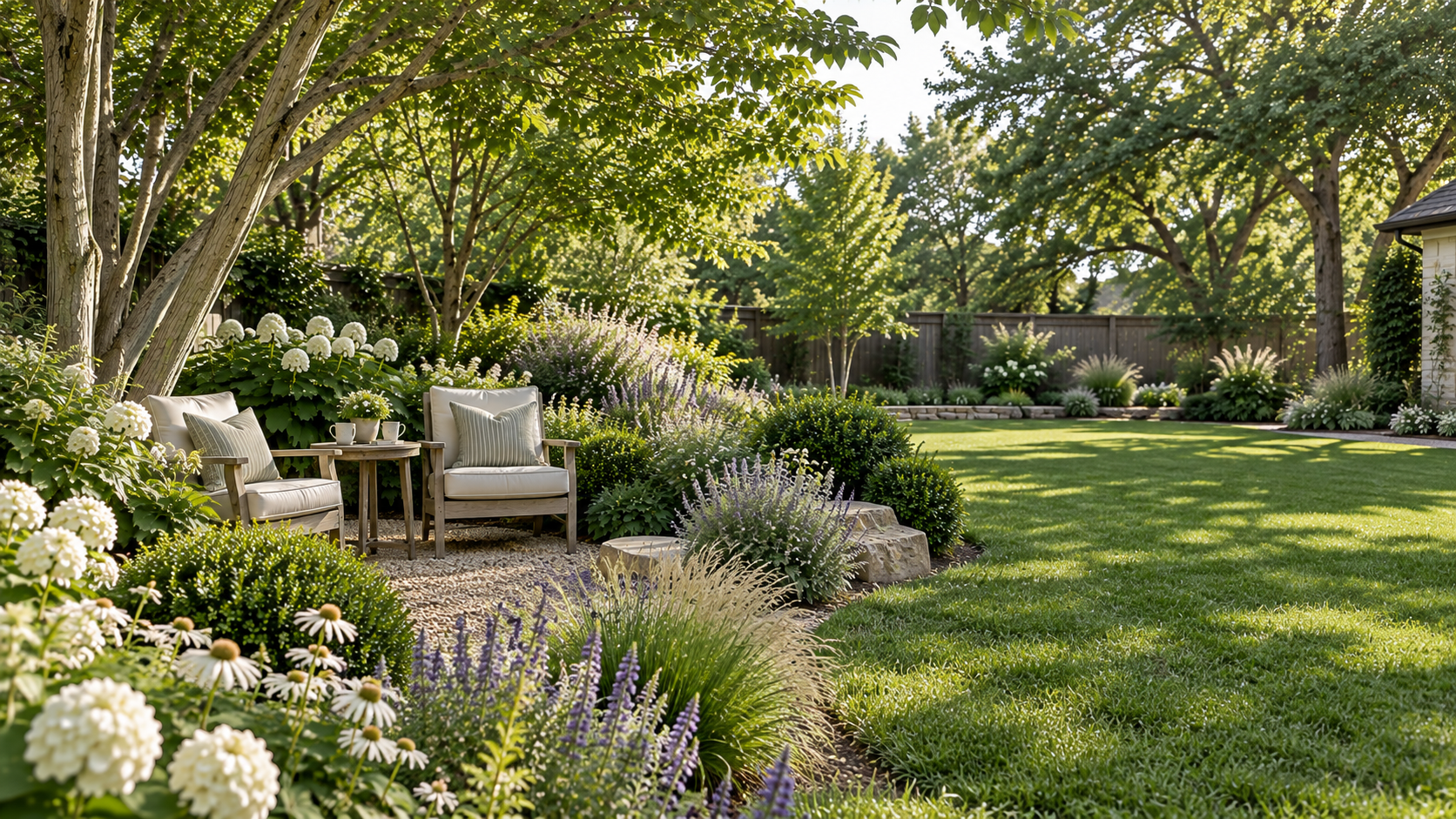
Sometimes the idea of changing a garden feels bigger than the garden itself. We look across the backyard and see everything at once—the patio, the planting beds, the empty corner, the view from the kitchen, the place where nothing seems to grow. And before long, a simple thought like I’d love to make this garden more beautiful has turned into:
Where would I even begin?
Through years of designing landscapes, I’ve learned that you don’t always need to begin with the whole garden. Sometimes the best place to begin is much smaller.
One view. One corner. One experience.
That one thoughtful change can become the beginning of something much bigger.
Start With the Part That Matters Most
When I look at a landscape, I’m always thinking about the entire space. But that doesn’t mean every part of it needs the same attention at the same time. Some places simply matter more to the way you experience your garden.
It might be the planting bed you see every morning when you pull into the driveway. It could be the view through your kitchen window, the patio where your family spends summer evenings, or the shady corner where you’ve always imagined putting a bench.
Start there. Ask yourself:
If I could change just one part of my garden, which change would make the biggest difference in the way I experience it?
That question can make a large garden project feel much more approachable.

Begin With a View
One of the easiest places to begin is with a view you see often. Maybe there’s a window you look through every morning. Perhaps it’s the view from your favorite chair on the patio. Or it could simply be what you see when you step through the back door. Stand there for a moment and look.
What already catches your eye? What would you enjoy seeing more of? Is there a place where your eye could comfortably come to rest?
You may realize that you don’t need to redesign an entire backyard. Maybe what would make the biggest difference is a beautiful small tree outside the window, a layered planting bed beyond the patio, or a focal point at the end of a path.
A single view can be a surprisingly good starting point.
Create One Place You Want to Be

You can also begin with an experience rather than a view. Think about something you’d like to do more often in your garden. Drink your coffee outside. Read beneath a tree. Eat dinner outdoors. Sit around a fire with friends. Watch birds in the morning.
Once you know the experience you want to create, you can begin designing around it.
A quiet place to read might need shade, comfortable seating, and enough planting around it to feel tucked away.
An outdoor dining space may need a good connection to the house, room to move around the table, and planting that makes the space feel inviting without crowding it.
Now you’re no longer trying to “design the backyard.”
You’re creating a place with a purpose.
And that gives you something much clearer to work toward.
Let One Garden Bed Set the Direction
Sometimes one planting bed can become the testing ground for the rest of the landscape. This is especially helpful when you’re still discovering the planting style you love. Choose one bed and think about the relationships between the plants rather than trying to fill every open spot.
You might begin with the three layers I often use when thinking about planting:
Structure gives the bed its bones through trees, shrubs, and evergreens.
Story brings personality through perennials, ornamental grasses, flowers, movement, and seasonal color.
Stitch uses lower plants and groundcovers to soften edges and help everything feel connected.
Then pay attention to what happens. Which combinations do you love? Which colors feel most like you? Which plants thrive in your conditions? Which shapes and textures work well together? Those answers can guide the next bed and then the next. Your first garden area becomes more than a finished project. It becomes something you can learn from.

Repeat What Works
This is where a smaller project can begin influencing the larger garden. If you discover a plant you love, use it again. If a certain evergreen gives you just the right amount of structure, echo it somewhere else.
If one flower color makes the garden feel connected to your home, carry that color into another bed. If you love the shape of a curved pathway, perhaps that same gentle curve can appear elsewhere. Repetition creates relationships between spaces. That means you don’t necessarily have to design everything at the same time for the garden to eventually feel connected. You can develop a visual language as you go.
When something works, let it become a clue for what comes next.

Let One Change Lead to Another
Gardens have an interesting way of revealing the next idea once we make the first one. You create a seating area beneath a tree. Once you begin using it, you realize a path would make the walk there more inviting. The path creates the edge of a new planting bed. That bed gives you a place to repeat some of the plants you love near the patio. Now two parts of the garden that once felt separate begin to relate to each other. One decision has led naturally to another. This is one reason I enjoy watching gardens develop over time. We get to learn from the space instead of trying to predict everything from the beginning.
But What About the Big Picture?
There are certainly times when looking at the entire landscape first is important. If you’re making major changes to grading, drainage, patios, pools, driveways, retaining walls, or other permanent features, thinking through the larger plan can save a great deal of trouble later. But even when you have a larger vision, you don't necessarily have to create it all at once.
You can understand where you're headed and still work toward it one piece at a time. And if you don't have that complete vision yet, that's okay too. The garden can teach you as it grows.
Give Yourself a Starting Point
If there’s a part of your garden you’ve been thinking about changing, try making the question smaller.
Instead of:
What should I do with my garden?
ask:
What’s one view I’d love to make more beautiful?
Or:
What’s one place I’d love to spend more time?
Or:
What’s one part of the garden I’m excited to begin?
Then start there. Take a photo. Make a few notes. Gather some inspiration. Think about how you want that one place to look, feel, and function. You don’t need to solve every other part of the garden today.
Beautiful Gardens Can Grow One Idea at a Time
We often see finished gardens in photographs and forget all the decisions that came before them. Gardens develop. Trees grow. Plants spread. Our tastes change. We learn which spaces we use and which plants make us stop for another look. And we learn more about what we want our gardens to become.
So if the vision of your entire garden still feels a little fuzzy, don't let that keep you from exploring one part of it.

Create one beautiful view. Make one corner more inviting. Plant one bed thoughtfully. Create one place where you can't wait to sit. Then notice what that first change teaches you.
You don’t have to know exactly what your whole garden will become before you begin creating one part of it beautifully.
That may be all the direction you need to find your next step.