

The Art of Editing a Garden: Knowing What to Keep, Move, and Repeat
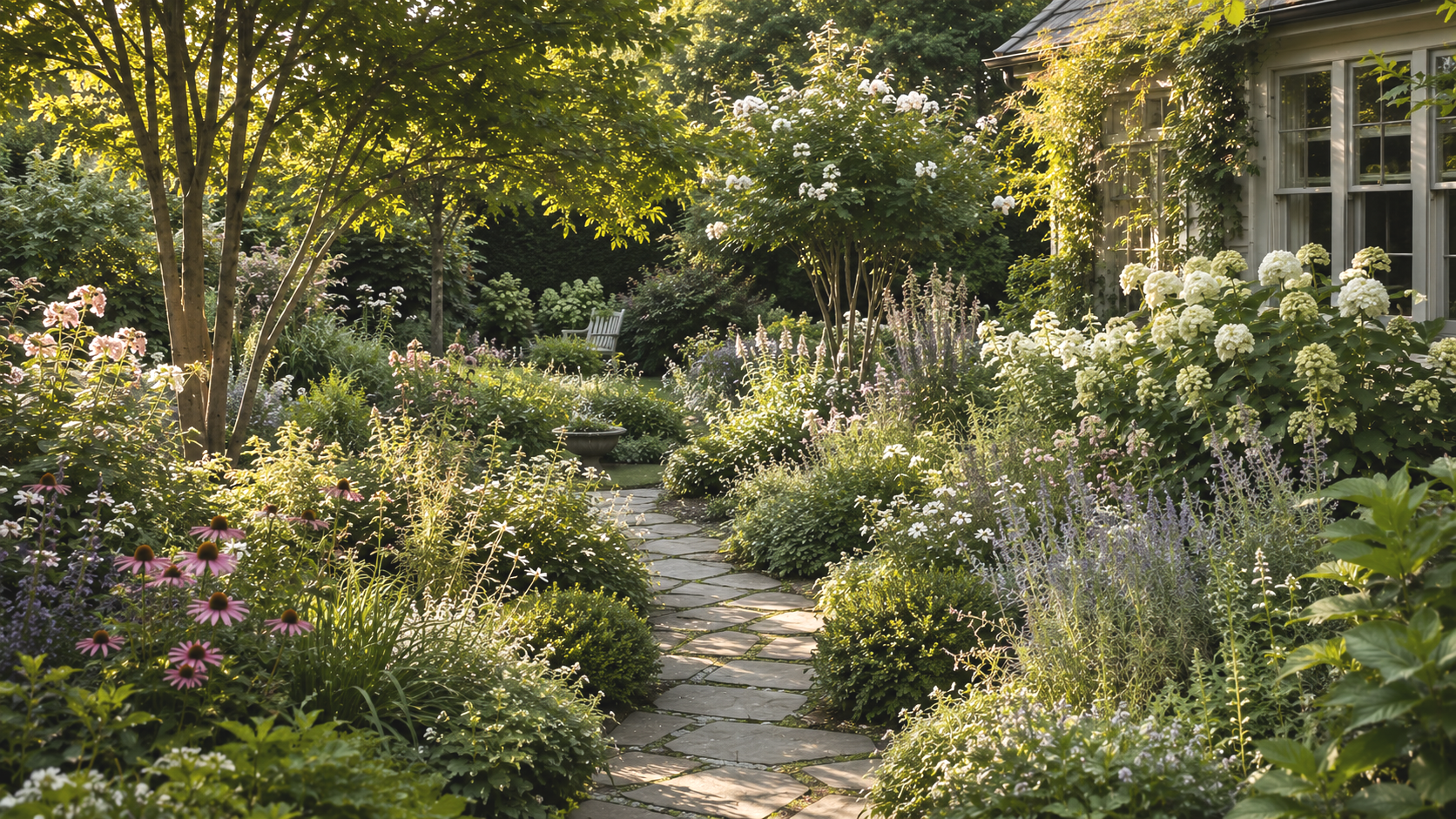
Gardens are always changing.
Plants grow larger. Trees cast more shade. Perennials begin to mingle with their neighbors. A combination that seemed simple when first planted can become one of the most beautiful moments in the garden.
And sometimes, what looked perfect on paper develops in a way you never expected.
That's part of what makes gardening so interesting.
One thing I've learned through years of designing landscapes is that a garden is never really finished. It grows, changes, and gives us new information every season.
Our job isn't always to rush in and change it.
Sometimes our job is simply to notice.
Editing a garden isn't about finding what's wrong. It's about noticing what's worth emphasizing.
And once you start looking at your garden that way, you may begin to see all kinds of possibilities.
Start by Looking, Not Doing
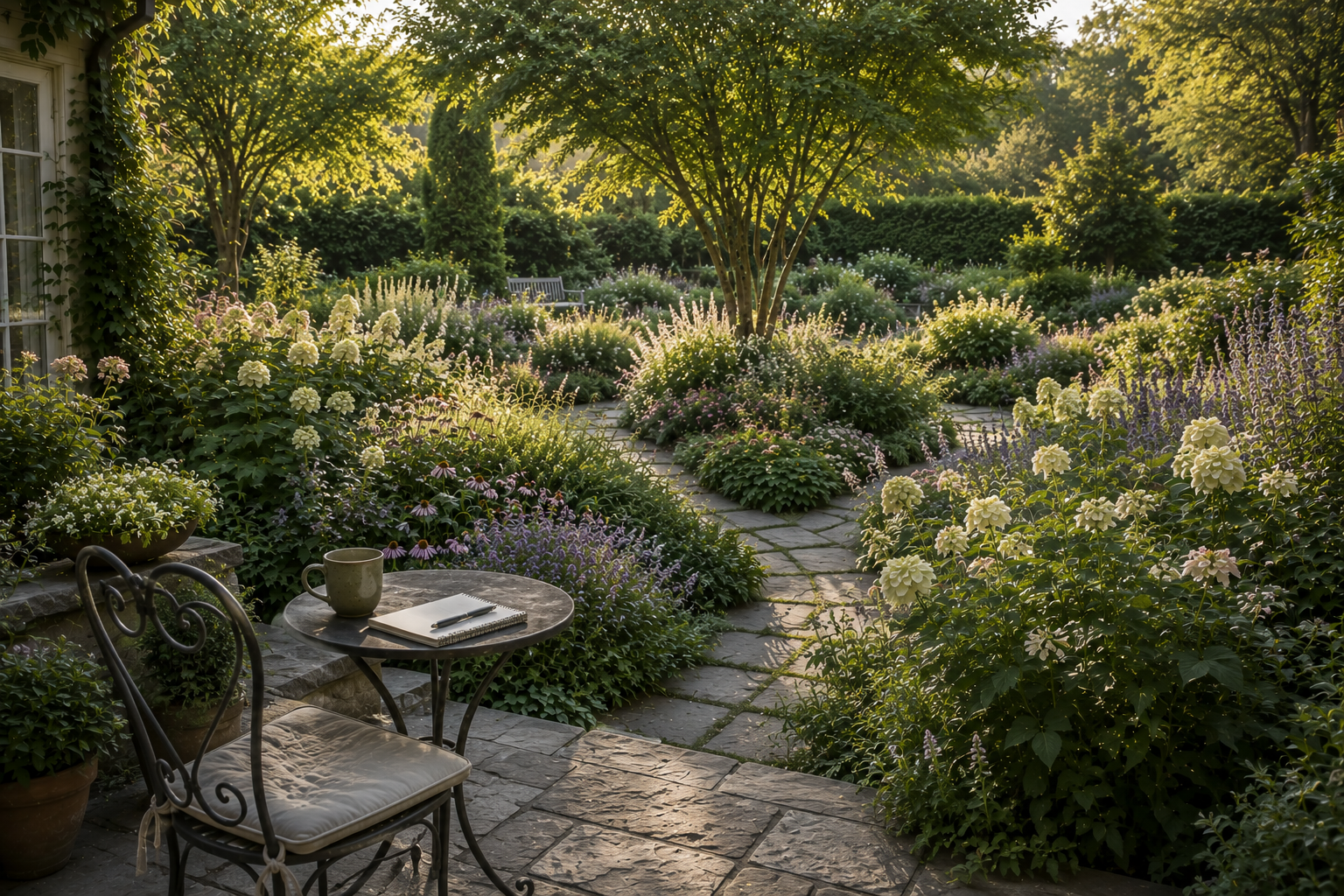
Before you grab the pruners, shovel, or wheelbarrow, take a walk.
Better yet, take several.
Walk through your garden at different times of day. Look at it from the patio. Look back toward the house. Stand at the end of a path. Look through your windows.
Then pay attention to what catches your eye.
Which plant combinations make you stop?
Where does the garden feel especially inviting?
Which views feel balanced?
Where does your eye naturally want to rest?
I often take photos during this process. A photograph has an interesting way of simplifying a garden. Once the three-dimensional space is flattened into an image, patterns, shapes, gaps, and relationships can become much easier to see.
Don't worry about making decisions yet.
You're gathering information.
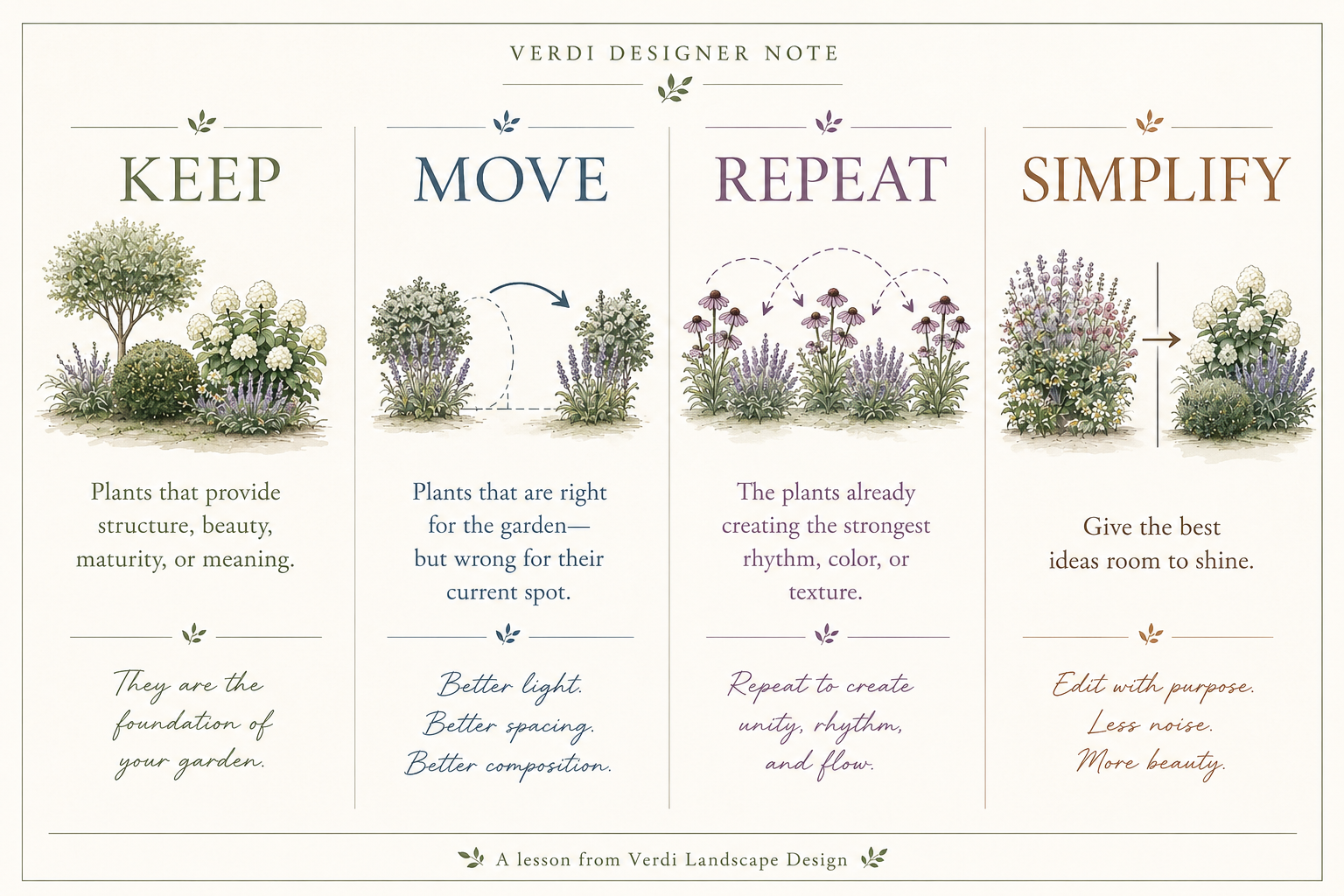
Then, as you look at what the garden is showing you, I find it helpful to think about four simple actions:
Keep. Move. Repeat. Simplify.
KEEP: Notice What's Already Working
Start with the easiest—and most enjoyable—part.
What do you love?
Maybe it's a shrub that has grown into a beautiful shape.
Maybe it's the way an ornamental grass catches the late-afternoon light.
Perhaps two plants have grown together in a way you hadn't planned, but now you can't imagine separating them.
These are clues.
Ask yourself why you're drawn to them.
Is it the color combination?
The contrast between two leaf shapes?
The way a plant softens the edge of a path?
The structure an evergreen gives the bed?
The answer helps you understand your own garden style.
And that's useful information because once you understand why something works, you can use that idea elsewhere.
Designer's Note
Take photos of the combinations you love throughout the year. Over time, you'll build your own inspiration library—made entirely from your own garden.
MOVE: Give a Good Plant a Better Opportunity
Sometimes there's nothing wrong with a plant.
It may simply have more potential somewhere else.
As gardens mature, we learn things we couldn't fully know when everything was first planted.
A tree creates more shade than expected.
A perennial grows taller than anticipated.
Two plants begin competing visually instead of complementing one another.
Or perhaps a beautiful plant is tucked into a spot where you rarely get to enjoy it.
That's when I start thinking about movement.
Ask: Would this plant have more impact somewhere else?
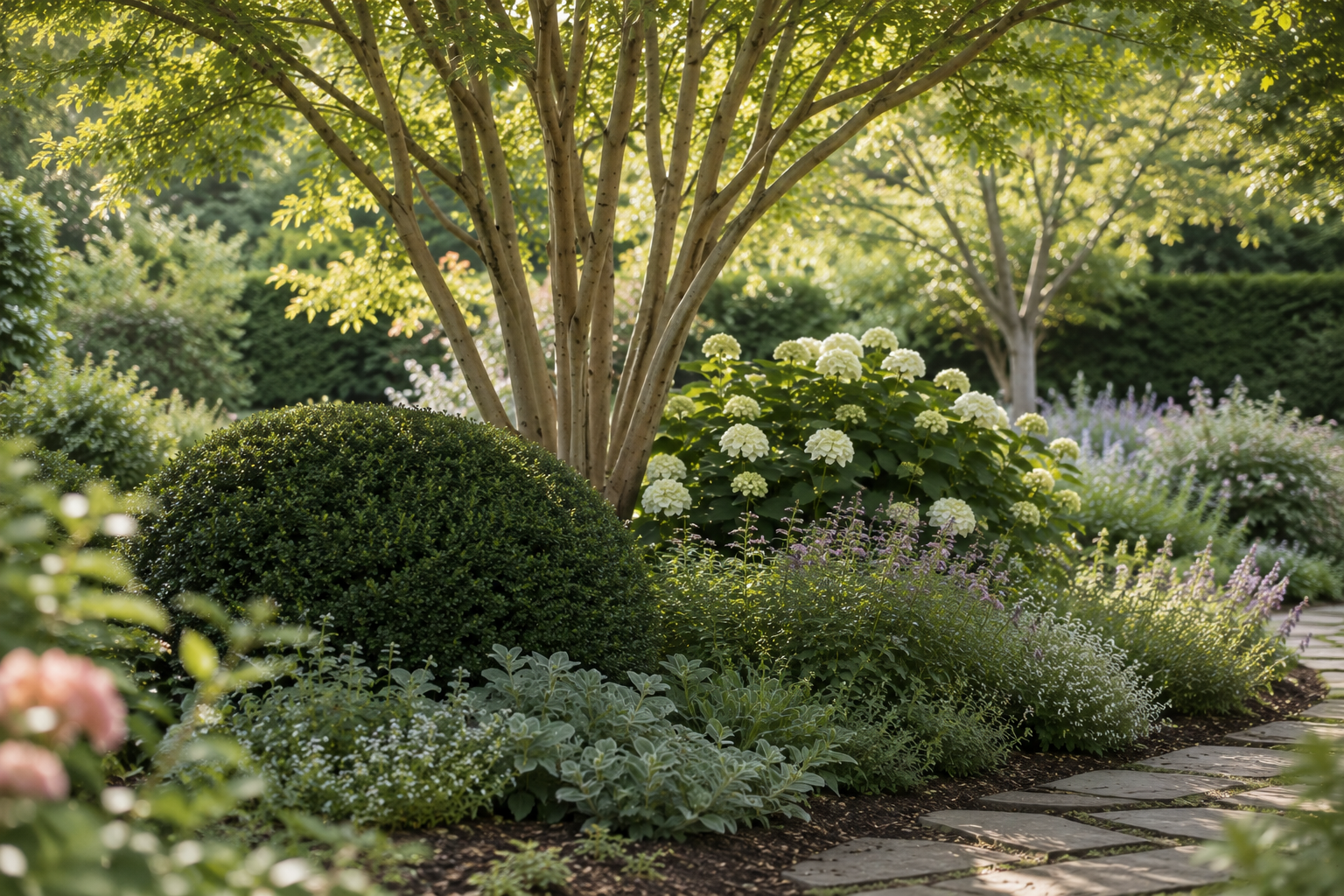
A plant with an interesting form might become a wonderful focal point.
A shade-loving perennial may flourish beneath a tree that has matured over the years.
A favorite flower might be even more enjoyable near the patio or outside a window where you'll see it every day.
Moving plants isn't necessarily a correction.
It's part of designing with a living landscape.
REPEAT: When Something Works, Let It Echo
This may be one of my favorite ways to edit a garden.
When you discover something you love, repeat it.
It could be a plant.
But it could also be a color, shape, texture, or combination.
Maybe a grouping of grasses creates beautiful movement.
Perhaps a rounded evergreen gives just the right amount of structure.
Or a particular flower color appears in one bed and would help connect another part of the garden.
Repetition creates rhythm.
The eye recognizes something familiar and then finds it again somewhere else.
That quiet connection helps separate parts of the garden begin to feel like they belong together.
You don't need dozens of different plants to create an interesting garden.
Sometimes using more of what you already love is the better answer.
Designer's Note
The next time a plant combination catches your eye, don't just think, I love that.
Ask: Where could I echo this somewhere else?
That's a small shift in thinking, but it's one of the ways designers create cohesion across an entire landscape.
SIMPLIFY: Give the Best Ideas Room to Shine
Editing isn't always about adding something.
Sometimes it's about creating a little breathing room.
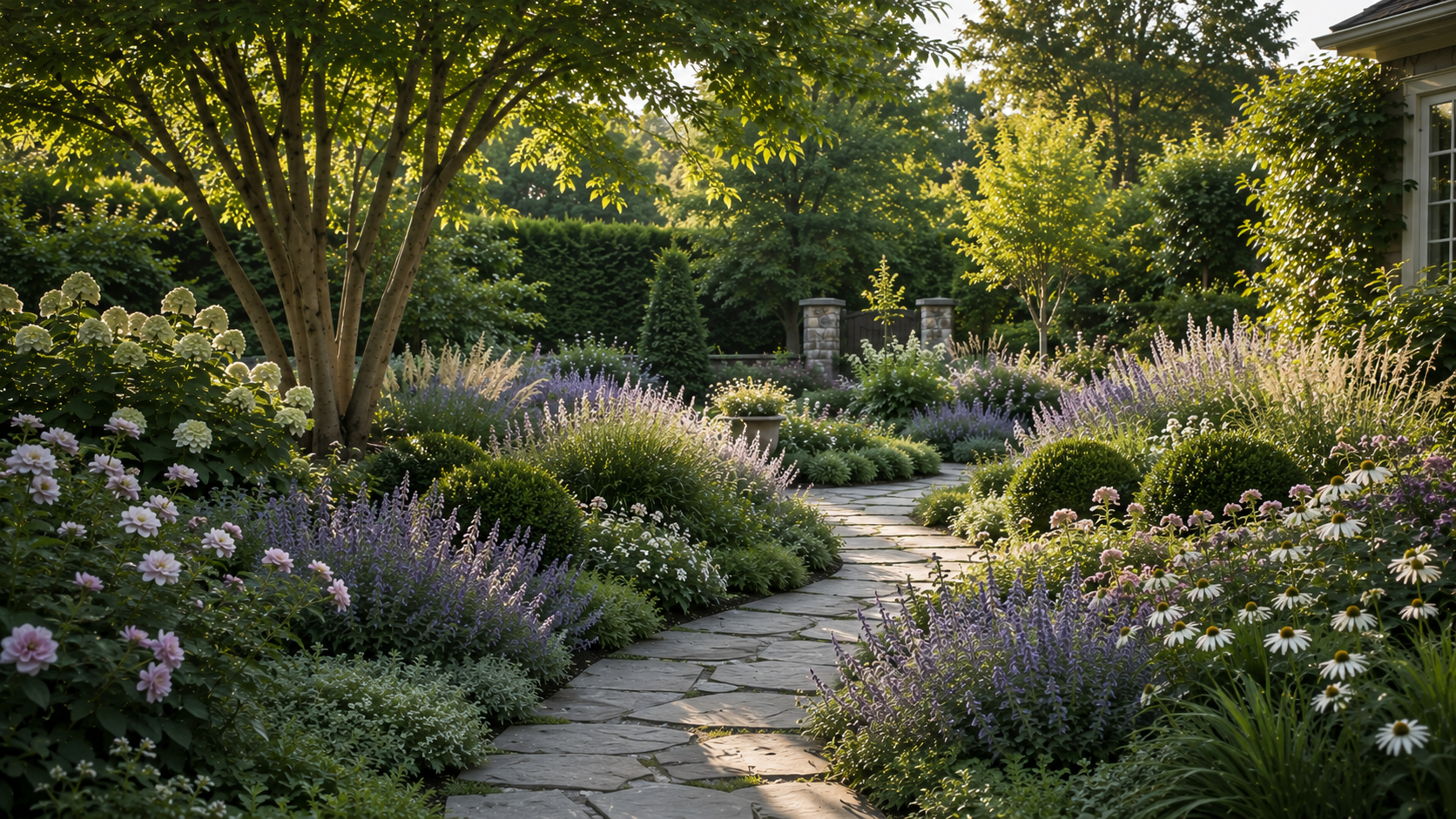
As plants mature, beds naturally become fuller. Colors overlap. Forms begin to mingle.
That abundance can be wonderful.
But there are also moments when simplifying allows the strongest parts of the garden to become more visible.
Maybe one beautiful shrub could use a little more space around it.
Perhaps repeating three plants would create a clearer statement than using six different varieties.
Or maybe a focal point would have more impact with quieter planting around it.
Think of it as creating pauses in the garden.
Just as a room doesn't need something on every wall, a garden doesn't need something competing for your attention in every square foot.
Quiet areas help us appreciate the more expressive ones.
Let the Garden Help You Decide
There's a reason I think of this process as editing rather than starting over.
The garden has already given you something to work with.
It's showing you which plants thrive.
It's revealing combinations you love.
It's showing you where you naturally spend time and where your eye wants to go.
The longer you live with a garden, the more information you have.
So use it.
Before deciding what your garden needs next, spend some time noticing what it already does beautifully.
Then ask:
What should I keep?
What might shine somewhere else?
What deserves to be repeated?
And where could a little simplicity make the rest of the garden stand out?
You may find that the next chapter of your garden is already growing right in front of you.
A Garden Is Never Really Finished
That's one of the things I love most about landscape design.
A garden isn't a picture that we create once and leave untouched.
It's alive.
It grows with us.
And every season gives us another opportunity to observe, learn, and make thoughtful choices about what comes next.
So give yourself permission to experiment.
Move something.
Repeat something you love.
Let a favorite plant take center stage.
And most of all, enjoy watching your garden become more and more your own.
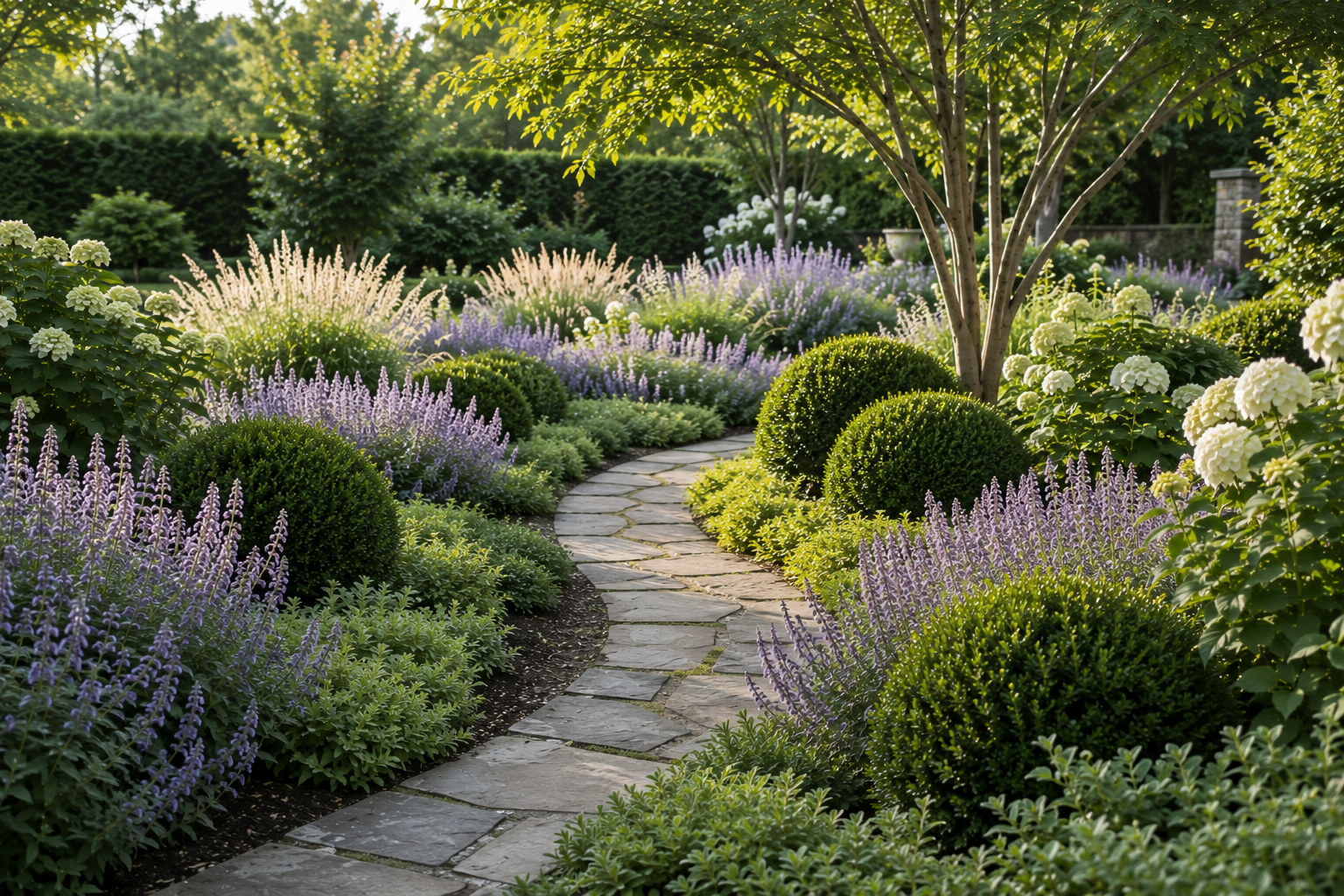
Abundance with Intention with Boxwood, Catmint (Nepeta) and Golden Creeping Oregano